


3 Days & 2 Nights
The most complete experience in the Manu Biosphere Reserve. Macaw clay lick, oxbow lakes, night walks, and encounters with native communities.
The Expedition
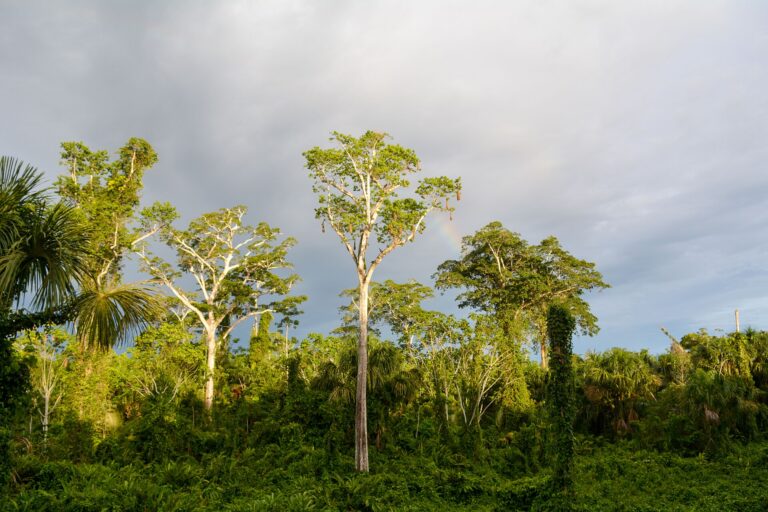
The Classic Manu 4 Days is the most complete experience to explore the Manu Biosphere Reserve, the most biodiverse protected area on the planet. This tour takes you from cloud forests at 3,800 m to the lowland Amazon rainforest at 500 m.
You will enjoy the natural spectacle of the macaw clay lick, navigate oxbow lakes inhabited by giant river otters, and share with the native Matsiguenka community. An unforgettable experience for nature and adventure lovers.
Departure 5:30 am from Cusco in a private van. First stop at the Ninamarca chullpas, pre-Inca funerary towers of the Lupaca culture, then the colonial town of Paucartambo, with its folkloric plaza and Carlos III bridge. At the Acjanaco pass (3,530 m) we cross the ranger checkpoint: the official entrance to Manu's Cultural Zone. Then begins one of Peru's most spectacular descents: from the puna into elfin forest and on to the cloud forest (1,500 m), among orchids, bromeliads, tree ferns and waterfalls, with short interpretive walks along the way. At dusk we visit a lek of the Andean cock-of-the-rock, Peru's national bird, where the scarlet males perform their courtship dance. Possible sightings: grey-breasted mountain toucan, scarlet-bellied mountain tanager, quetzal, woolly monkey and even the spectacled bear. Dinner and night at a cloud-forest lodge; optional night walk for frogs.
Distance: 210 km by road · Max altitude: 3,400 m → 3,530 m → 1,500 m · Meals: B, L, D
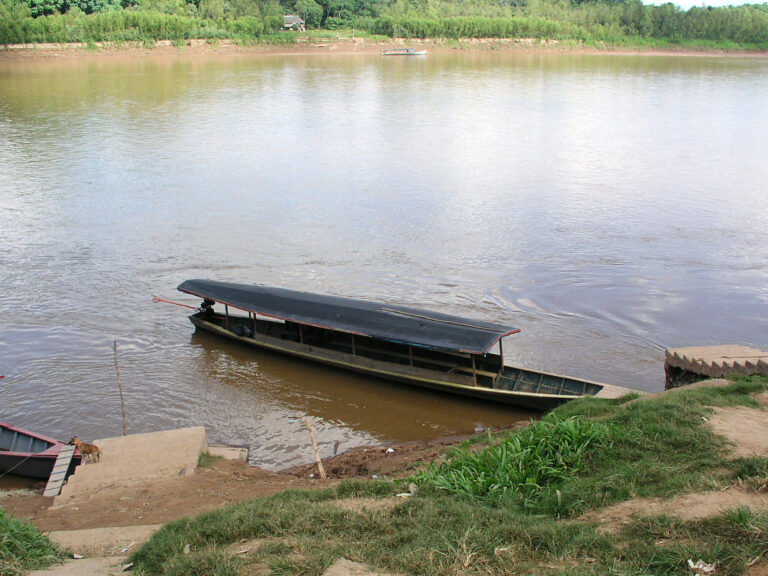
Optional before breakfast: return to the cock-of-the-rock lek, most active at dawn. We continue the descent past Pilcopata, with stops at a coca plantation and a jungle viewpoint, to Puerto Atalaya (500 m), where the road ends — since Cusco we have dropped almost 3,000 meters. We board a roofed motorized boat and navigate the Alto Madre de Dios River: ringed kingfishers, cocoi herons, cormorants, vultures, capybaras and turtles sunning on logs. Arrival at the lodge in a private reserve, lunch and an afternoon walk on forest trails: medicinal plants, native fruit trees, giant ceibas and strangler figs. After dark, a night walk with flashlights: tree frogs, tarantulas, insects and, with luck, the night monkey. Dinner and night at a lodge with mosquito nets.
Distance: 45 min by boat · Max altitude: 1,500 m → 500 m · Meals: B, L, D
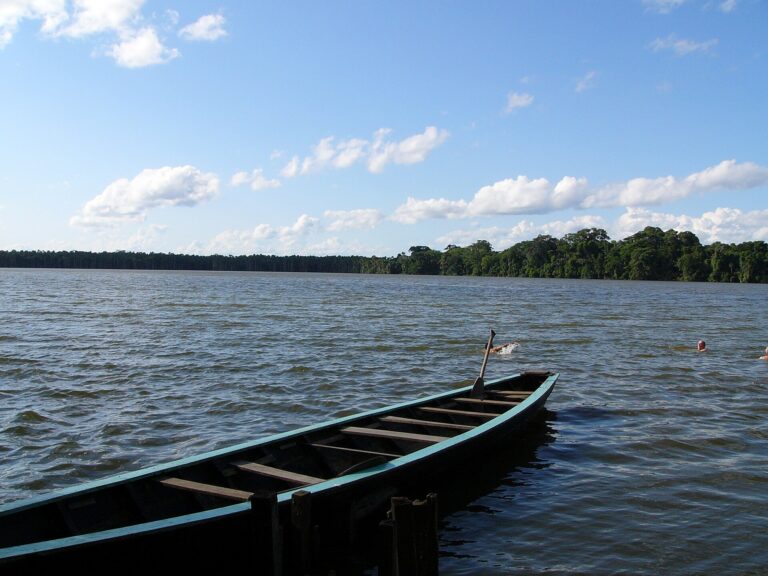
Pre-dawn boat ride to the parrot clay lick: an exposed clay wall on the riverbank where every morning dozens of blue-headed parrots, white-eyed parakeets and chestnut-fronted macaws descend to eat mineral clay that neutralizes the toxins in their diet. Breakfast back at the lodge. Mid-morning we explore Machuwasi Lake on a paddled raft (motors are banned): prehistoric-looking hoatzins, horned screamers, herons, white caimans, capybaras, and squirrel, capuchin and titi monkeys along the shores. Lunch, then an afternoon with the native community: time with a local family and a visit to their ethnobotanical center to learn the traditional use of plants like cat's claw and sacha garlic, with handicraft sales that directly support the community. Final night walk: giant monkey frog, spectacled owl and tarantulas. Dinner and night at the lodge.
Max altitude: 500 m · Meals: B, L, D
Breakfast at dawn to the chorus of howler monkeys and last wildlife watching from the lodge. We navigate upriver back to Puerto Atalaya — against the current the trip is a bit longer, perfect for final river photos. On the way up we stop at the Pico de Hoz viewpoint (750 m), a self-sustaining conservation center with a hummingbird garden: dozens of hummingbirds at the feeders, toucans, king vultures and occasionally sloths. The van retraces the cloud-forest route toward Acjanaco and Paucartambo, with lunch en route and the ecological staircase in reverse: from jungle to Andes in one afternoon. Arrival in Cusco between 5:30 and 6:30 pm with hotel drop-off.
Max altitude: 500 m → 3,400 m · Meals: B, L
Why This Trek
Entry to the most biodiverse protected area on Earth, a UNESCO World Heritage site.
Natural spectacle of hundreds of colorful macaws feeding on clay along the riverbank.
Boat navigation through oxbow lakes home to giant river otters, caimans, and water birds.
Nighttime forest exploration to spot insects, frogs, tarantulas, and caimans by flashlight.
Visit a native Matsiguenka community to learn about their culture and traditional crafts.
Ascent through cloud forest with orchids, giant ferns, and endemic birds like the cock-of-the-rock.
Before You Go
Good to Know
Moderate fitness is required. Activities include short hikes on jungle trails and boat navigation. Basic mobility is sufficient.
Insect repellent (most important), headlamp, quick-dry clothing, trekking boots, rain jacket, camera, binoculars, sunscreen, water bottle, and cash for tips.
Yes, but the best season is May to October (dry season). During the rainy season (Nov-Apr) macaws also visit but less frequently.
Yes, especially in the lowland area (500 m). We recommend DEET repellent, long sleeves, and long pants. Lodges have mosquito nets.
The dry season (May to October) offers better hiking and wildlife viewing conditions.
Yes, we offer private tours with exclusive guide and flexible dates. Check prices in the pricing section.
You Might Also Like